How to plan packed lunches for a changing office schedule
· Editorial team seattlenewsdaily7.com
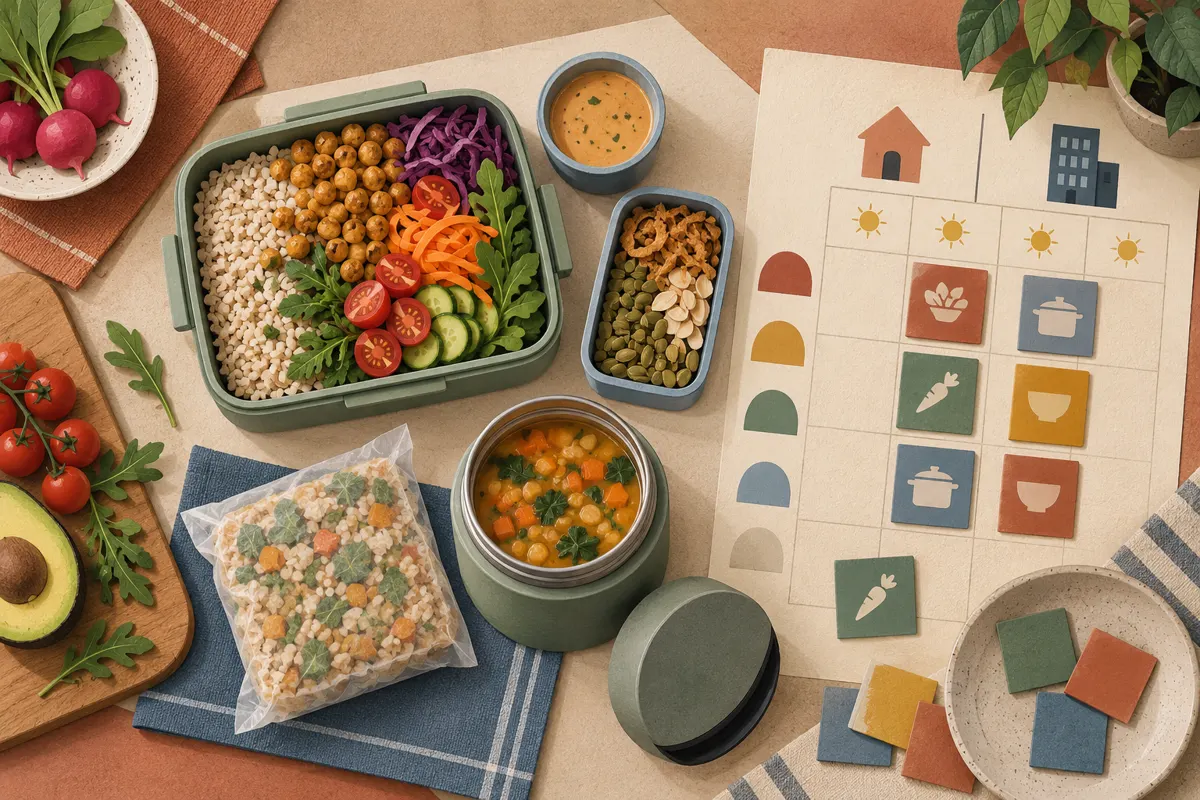
Plan lunches for the office days you know, and leave uncertain days easy to assemble. Prepare a few components that work at home or in a lunchbox, keep a suitable freezer portion in reserve, and pack sauces and crunchy toppings separately. The proposed routine below gives you a lunch plan that can move with your calendar.
Map the week before choosing lunches
Start with your work calendar. Mark each day as office, home or uncertain, then note whether you will have access to a refrigerator and microwave. A lunch that depends on reheating needs a different plan from one you intend to eat cold. Include any day when meetings or travel could change where you eat.
Here is a proposed worksheet with example entries. Replace the locations and meals with your own. The last column matters most: decide in advance what happens to lunch if the commute disappears or an office day is added.
| Day | Work plan | Lunch and facilities | If the plan changes |
|---|---|---|---|
| Monday | Confirmed office | Cold noodle salad; refrigeration arranged | Eat the same lunch at home |
| Tuesday | Home | Grain bowl assembled at lunchtime | Pack components separately if called in |
| Wednesday | Uncertain | Choose a meal suitable for either location | Confirm facilities before packing |
| Thursday | Confirmed office | Soup; refrigeration and reheating available | Keep the meal in the home lunch plan |
| Friday | Uncertain | Review available ingredients and a freezer option | Select a meal suited to the final location |
Keep the worksheet somewhere you already check, such as your calendar or a kitchen note. There is no need for a separate planning system. Add a short reminder beside uncertain days: confirm location, choose lunch, pack extras.
Choose components that work in more than one lunch
Choose a small set of ingredients you enjoy in several combinations. A proposed starting point is one grain or noodle base, beans or another preferred filling, vegetables and a sauce. Keep some components separate so you can decide on the final meal when the next day's schedule is clearer.
The supplied recipe collections offer useful starting formats. The Kitchn groups make-ahead lunches into salads, grain bowls and soups. Dietitian Debbie describes cold soba noodle salad and a roasted-vegetable farro salad that can be served warm or cold. Those examples give you options when reheating access varies. The Kitchn, Dietitian Debbie.
- Grain bowl: combine your chosen grain, beans or another filling, and vegetables; carry sauce separately.
- Cold noodle lunch: choose a recipe intended to be served cold, then pack its toppings alongside it.
- Soup lunch: select it for a day when suitable storage and reheating are available.
- Wrap lunch: use compatible prepared fillings, with wet additions packed separately when practical.
For example, roasted vegetables and beans could become a grain bowl at home or a wrap for the office. This is a proposed pairing, so adjust it to your tastes and the recipe's storage requirements. You do not need a different recipe for every workday.
Prep for confirmed days and keep a reserve
Use this proposed preparation sequence once you have mapped the week. Make the amount you reasonably expect to eat, considering lunches at both locations. An uncertain office day still needs lunch, but it may not need a fully assembled lunchbox yet.
- Count confirmed office lunches and planned home lunches.
- Choose recipes and check their storage, freezing and reheating instructions.
- Prepare shared components, leaving delicate toppings separate.
- Portion lunches for the nearest confirmed days.
- Set aside a suitable freezer portion if your chosen recipe supports it.
- Label containers with their contents and preparation date.
A freezer reserve can be built around a recipe explicitly suited to freezing. Dietitian Debbie describes freezing individually wrapped black bean and sweet potato burritos; The Kitchn identifies red lentil soup as a freezer-friendly option. Select a reserve that also fits the facilities available on the day you need it. Dietitian Debbie, The Kitchn.
These sources do not establish one storage limit for all packed lunches. Do not assume a batch prepared at the start of the week is suitable through Friday. Follow applicable food-safety guidance and the instructions for your chosen dish, including cooling, transport, thawing and reheating.
Pack sauces and crunch separately
Give the main meal, sauce and crisp toppings their own spaces. As an editorial packing proposal, use a securely closed small container for dressing and a dry compartment for crackers, nuts, seeds or crisp toppings. Add them when you eat. Keep lettuce separate from dressed ingredients when the recipe calls for final assembly.
This approach draws on The Kitchn's examples: its Italian chopped salad is served with lettuce added later, while a chicken and rice bowl receives vegetables, herbs and dressing closer to eating. Separate containers adapt that assembly idea for a commute. The Kitchn.
- Main lunch container closed securely
- Sauce or dressing in a separate closed container
- Crunchy toppings in a dry container or compartment
- Utensils and a napkin
- Suitable arrangements to keep perishable food cold during transport and before lunch
- Reheating-compatible container if needed
- All parts placed together so the sauce does not stay behind
Reset the plan when office days change
Each evening, check tomorrow's location and available facilities. If an office day becomes a home day, keep the planned lunch on the menu. If a home day becomes an office day, pack the components you had planned to assemble, provided you can store and serve them appropriately.
If neither option fits, choose your reserve and follow its preparation instructions. Avoid automatically pushing an uneaten lunch to a later day: check its storage requirements first. A calendar change does not extend a meal's usable life.
At the end of the week, note which meals traveled well, which components you actually used and what stayed uneaten. These are observations from your own routine. Use them to adjust the next batch size or choose a different lunch format. Keep the worksheet brief enough that you will use it again.
Questions and answers
What can I pack if I cannot reheat lunch?
The supplied examples include cold soba noodle salad and farro salad served cold. Choose a recipe intended for cold serving and arrange appropriate storage and transport. Dietitian Debbie.
Can I prepare all five lunches at once?
The sources do not support a universal five-day storage claim. A proposed alternative is to prepare shared components, portion nearer-term meals and freeze suitable portions according to recipe instructions.