How to start a cookbook club with friends
· Editorial team seattlenewsdaily7.com
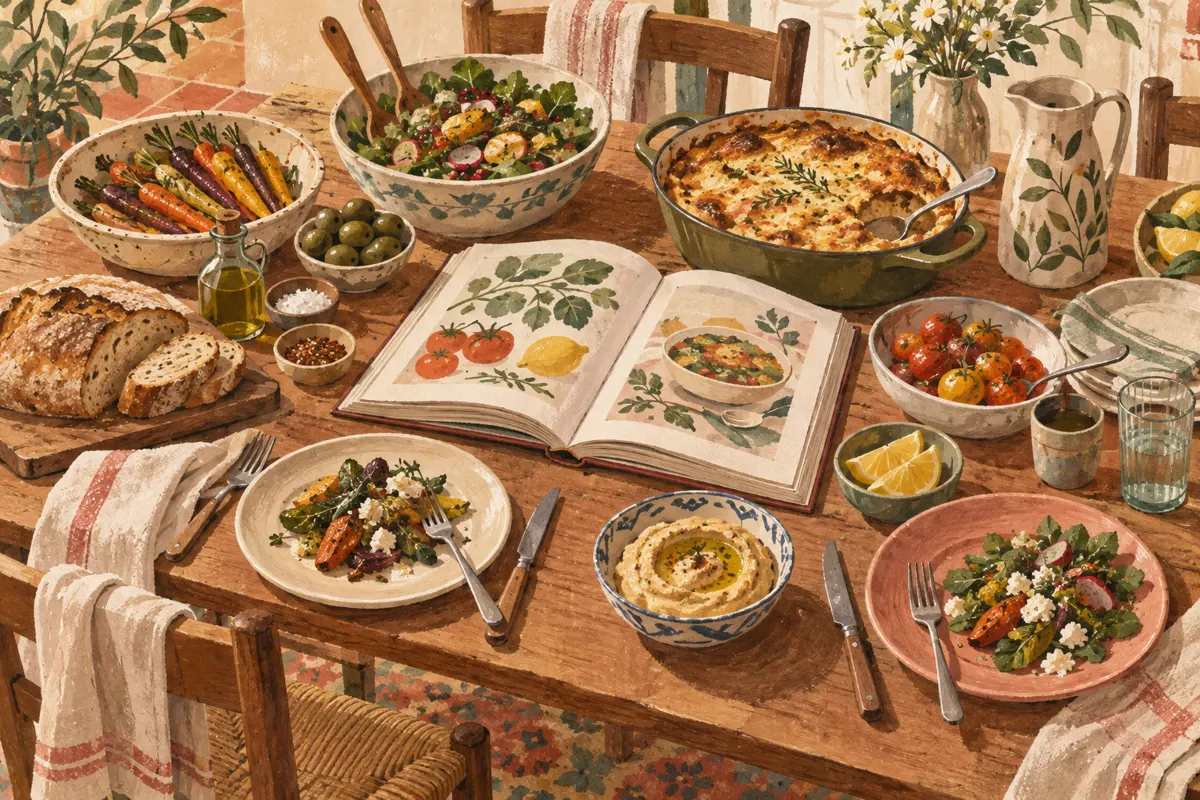
Start a cookbook club by inviting friends to choose one cookbook, each prepare a different recipe and meet to share the dishes. Agree on a date, record recipe choices in one shared list and leave time over dinner to discuss what everyone cooked. The book gives the meal a theme; curiosity is enough to take part.
Gather your group and set expectations
A cookbook club works much like a potluck, with everyone cooking from the same book. Decide whether guests will bring prepared dishes or cook together at the host’s home. Bringing food mostly ready to serve reduces the number of people competing for burners and counter space.
Our proposal for a first meeting is to invite a group that fits comfortably around your table and treat the evening as a trial gathering. Offer a few dates in a group chat, then confirm the location, arrival time and approximate mealtime. Ask about dietary requirements before choosing the book.
Make room for different levels of confidence and available time. Someone who cannot cook that week can still join, help set the table or contribute drinks. Agree on this early so participation feels welcoming rather than like an assignment.
Choose a cookbook everyone can use
Ask friends to suggest books they already own or have enjoyed cooking from. An older favorite is just as suitable as a recent release. A cuisine, ingredient or cooking style can give the gathering a clear focus; a baking book could become an afternoon gathering instead of dinner.
Our proposed selection checklist is to look beyond the cover and inspect several recipes together before voting:
- Does the book offer dishes that suit the group’s dietary requirements?
- Can participants find the ingredients and use equipment they already have?
- Are there manageable recipes for less experienced cooks?
- Can everyone access a copy in time to plan and cook?
Friends can share copies, and participants can check library availability before buying. Once you choose, confirm the title and edition so everyone can find the intended recipes.
Coordinate recipes in one shared list
Use a shared document or spreadsheet for dish sign-ups. Include the gathering details at the top, then have each person claim a recipe and identify its role in the meal. This helps prevent duplicate dishes and makes gaps easier to spot.
Our proposed sign-up fields are:
- Cook’s name, recipe title and page number.
- Dish category: appetizer, main, side or dessert.
- Recipe yield and any planned adjustments.
- Dietary information and ingredient substitutions.
- Equipment, refrigerator space or reheating needed at the host’s home.
Review the menu together before shopping. Our proposal is to keep portions suited to a shared tasting meal rather than have every cook automatically double a recipe. If several dishes need the oven, agree on a serving order or change a recipe choice before the day arrives.
Prepare for an easy evening
Read your recipe all the way through before starting. Complete as much preparation as practical at home, and tell the host about any finishing work. The host can then prepare the necessary bowls, baking dishes or workspace instead of discovering those needs as guests arrive.
- Confirm the final menu and each dish’s finishing needs.
- Ask cooks to bring serving utensils and any special equipment their dishes require.
- Set out plates, glasses, napkins and trivets, leaving space for the food.
- Choose who will provide drinks, including a nonalcoholic option.
- Ask guests to bring containers if the group plans to divide leftovers.
Keep the table simple. Mismatched plates are fine, and decorations should leave room for shared dishes. If the host lacks enough place settings, ask guests to bring their own.
Discuss the book and plan another meeting
As you eat, let each cook introduce their dish and mention any changes they made. Discuss which instructions were clear, what surprised you and which recipes you would repeat. Keep the conversation curious: a dish that proved difficult can offer as much to discuss as a favorite.
Over dessert, choose the next cookbook together and discuss a realistic meeting schedule. Keep a running list of suggestions so each choice does not require a fresh search. Our proposal is to settle the next host and a likely date before leaving, then confirm them in the group chat.