How to use vegetable peels and coffee grounds in a backyard compost bin
· Editorial team seattlenewsdaily7.com
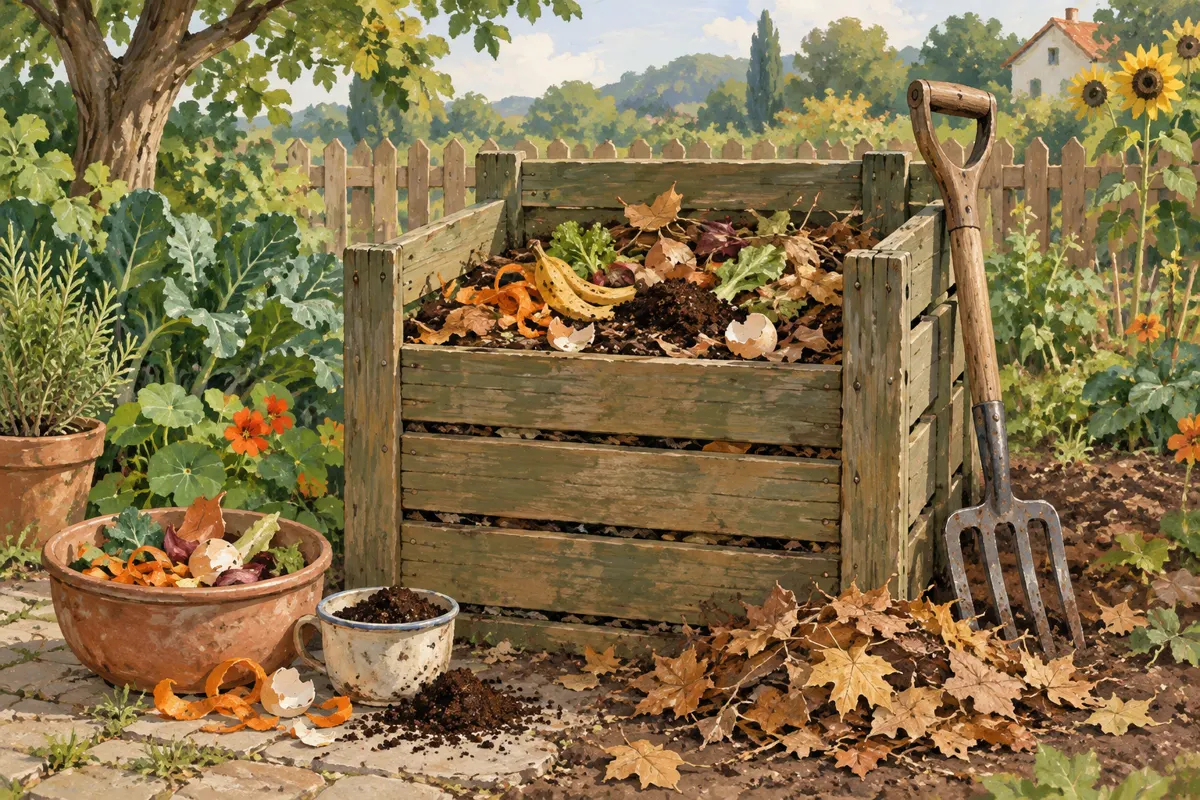
Put vegetable peels and used coffee grounds in your backyard compost bin with at least two to three times their volume of dry leaves or other brown materials. Cover the scraps, keep the mixture as damp as a wrung-out sponge, and turn it occasionally to introduce air. Both ingredients count as nitrogen-rich greens, even though coffee grounds look brown.
Match kitchen scraps with dry materials
Vegetable peels and coffee grounds are useful compost ingredients, but they need carbon-rich materials alongside them. Dry leaves, small twigs and suitable shredded paper supply that balance. Browns also help keep wet scraps from forming a dense, soggy pile.
- Greens: vegetable peels, fruit scraps, used coffee grounds and fresh grass clippings.
- Browns: dry leaves, plant stalks, small twigs and untreated wood chips.
- Paper alternatives: shredded non-glossy, uncolored paper, brown paper bags or cardboard without wax coating, tape or glue.
- Coffee extras: paper coffee filters can go into the bin with the grounds.
Measure the balance by volume, not weight. For one container of kitchen scraps, add at least two to three containers of browns. Keep a supply beside the bin so every trip from the kitchen includes enough dry material.
Prepare the bin and add your first scraps
Choose an accessible spot with good drainage and water nearby. Compost can break down in sun or shade; a shady position can help limit drying in summer. A simple bin and ordinary garden tools are enough to get started.
- Collect peels and grounds in a closed kitchen container. Store scraps in the refrigerator or freezer if that suits your routine.
- Remove produce stickers. Cut tough scraps, such as broccoli stalks, into smaller pieces to help them break down faster.
- Start an empty bin with four to six inches of bulky browns, such as twigs and wood chips, to support airflow and absorb extra liquid.
- Add the kitchen scraps with your measured browns. Distribute the grounds through the mixture as you add them.
- Cover food scraps with four to eight inches of dry leaves or other browns. Check moisture before adding water.
Keep moisture and air in balance
The organisms doing the composting need both water and oxygen. Aim for the feel of a wrung-out sponge: damp throughout, rather than saturated or dry. Check within the mixture, because the surface alone may not show how wet the bin is.
- If the mixture is dry, add a little water while mixing, then check again.
- If it is soggy, mix in dry leaves or other browns and loosen compacted material.
- Turn the compost occasionally with a garden fork or shovel to bring air into the pile.
- Continue pairing each addition of peels and grounds with browns, rather than repeatedly adding kitchen scraps alone.
Turning every few weeks is a manageable approach described by Zero-Waste Chef. Adjust your attention to the condition of the pile: wet, compacted material needs correction even if your next planned turn is still days away.
Fix odors and keep unwanted materials out
An unpleasant smell is a reason to inspect moisture, airflow and the supply of browns. Wet kitchen scraps without enough dry material can become a smelly mass. Mix in browns, turn the affected material and cover any exposed food scraps again.
If scraps are breaking down slowly, check whether the mixture is dry or the pieces are large. Restore moisture gradually and break up tough scraps. Adding more coffee grounds alone does not address missing water or air.
- Keep meat, fish, bones, dairy, fats and oils out of this simple backyard system; these foods can attract animals.
- Exclude pet waste and cat litter.
- Leave out herbicide-treated plants, diseased plants and weeds carrying seeds.
- Remove plastic stickers and avoid glossy paper, treated wood and compostable serviceware or bags.
Let one batch finish before using it
Once you have a substantial batch breaking down, start adding fresh scraps to a second pile or bin if space allows. This gives the first batch time to finish without a constant supply of new peels mixed into it.
When removing finished compost, pick out large pieces that have not decomposed and return them to the active pile. Work the finished material into garden soil. Keep your dry-material supply ready so the next batch follows the same routine: scraps, browns, moisture and air.